


A logo vs brand identity mix-up is one of the most expensive mistakes a new Toronto business owner can make, and it usually happens before the first marketing dollar is spent. A logo is the mark on your sign. Brand identity is the full system around it: your colours, photos, tone of voice and the trust signals that make a stranger choose you.
You paid a designer for a logo. It looks clean. It’s on your sign, your Instagram and your business cards. Yet people still walk past your shop, or leave a Google review that says “looks fine, but what exactly do they do?” That gap is rarely a logo problem.
This guide covers the five real differences, shows how they play out for newcomer-owned businesses in Toronto, and ends with four fixes you can start this week. If you’re also wondering why new businesses struggle to get found, begin with our guide to SEO for immigrant-owned businesses in Toronto.
What Is a Logo? (And What It Isn’t)
A logo is a mark. A symbol, a wordmark or a small graphic that helps people recognise you at a glance. That’s all it does. It doesn’t explain what you sell, why you’re different from the shop two doors down, or why someone should trust you over the competitor who has been open for ten years.
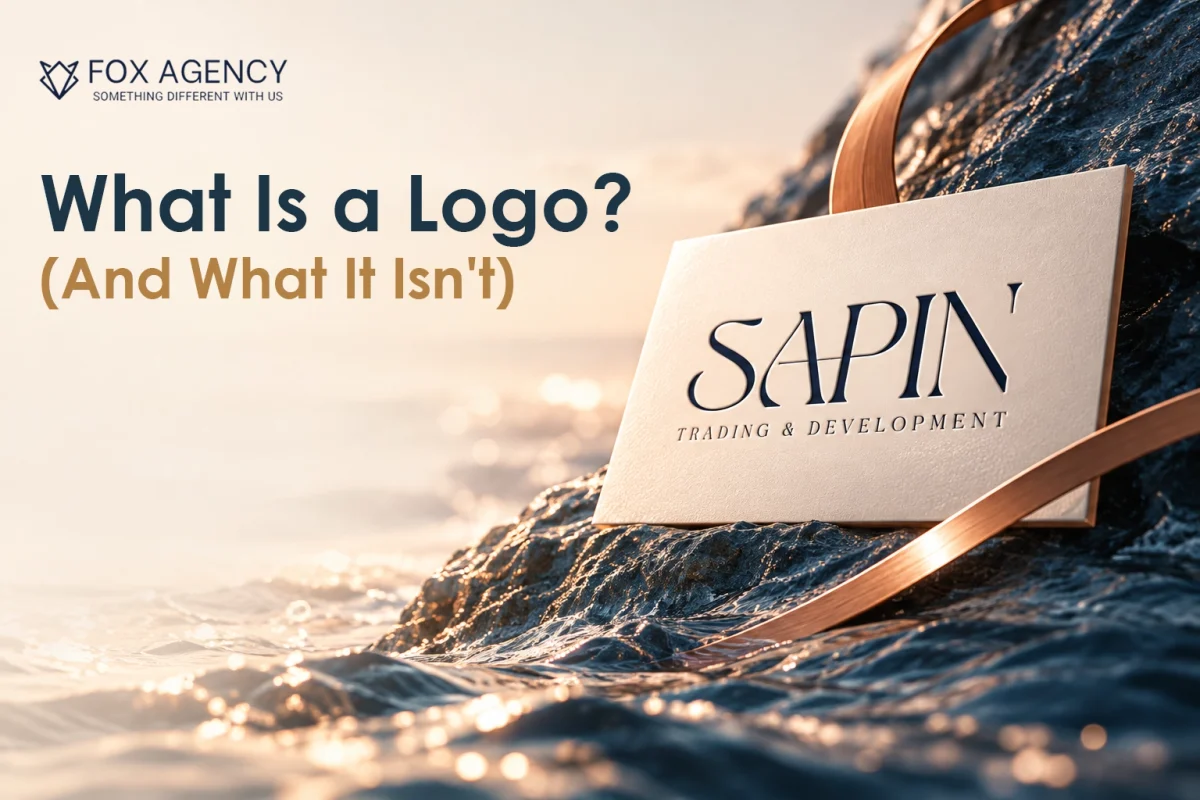
Think of a logo as a person’s face. Brand identity is everything else about how that person carries themselves: how they talk, what they wear, what they stand for, and whether people remember them for the right reasons. A great face can still come across as forgettable, or even untrustworthy, if nothing else lines up behind it. Branding guides aimed at small businesses, such as Vistaprint’s guide to brand vs. brand identity, make the same point: a logo is part of a brand identity, not a substitute for one.
Starting with a logo is natural. The mistake is stopping there.
Logo vs Brand Identity: The 5 Key Differences
These are the five differences that matter most when you decide where to spend your first branding budget.
| Difference | Logo | Brand identity |
|---|---|---|
| 1. Purpose | Helps people recognise you | Helps people trust and remember you |
| 2. Scope | One mark (symbol or wordmark) | Colours, fonts, photos, voice, templates and messaging |
| 3. Where it lives | Sign, packaging, profile picture | Website, Instagram, WhatsApp, phone calls and in-store experience |
| 4. Question it answers | “Who are you?” | “Why should I choose you?” |
| 5. Effort | One design project | A system you keep consistent as you grow |
Row two is where most small businesses get stuck, so let’s look at what a brand identity actually contains.
What Brand Identity Includes: 3 Layers
Brand identity is what makes your business feel like one consistent thing wherever someone meets it: your storefront, your website, your WhatsApp messages, your Instagram bio, even the way your staff answers the phone.
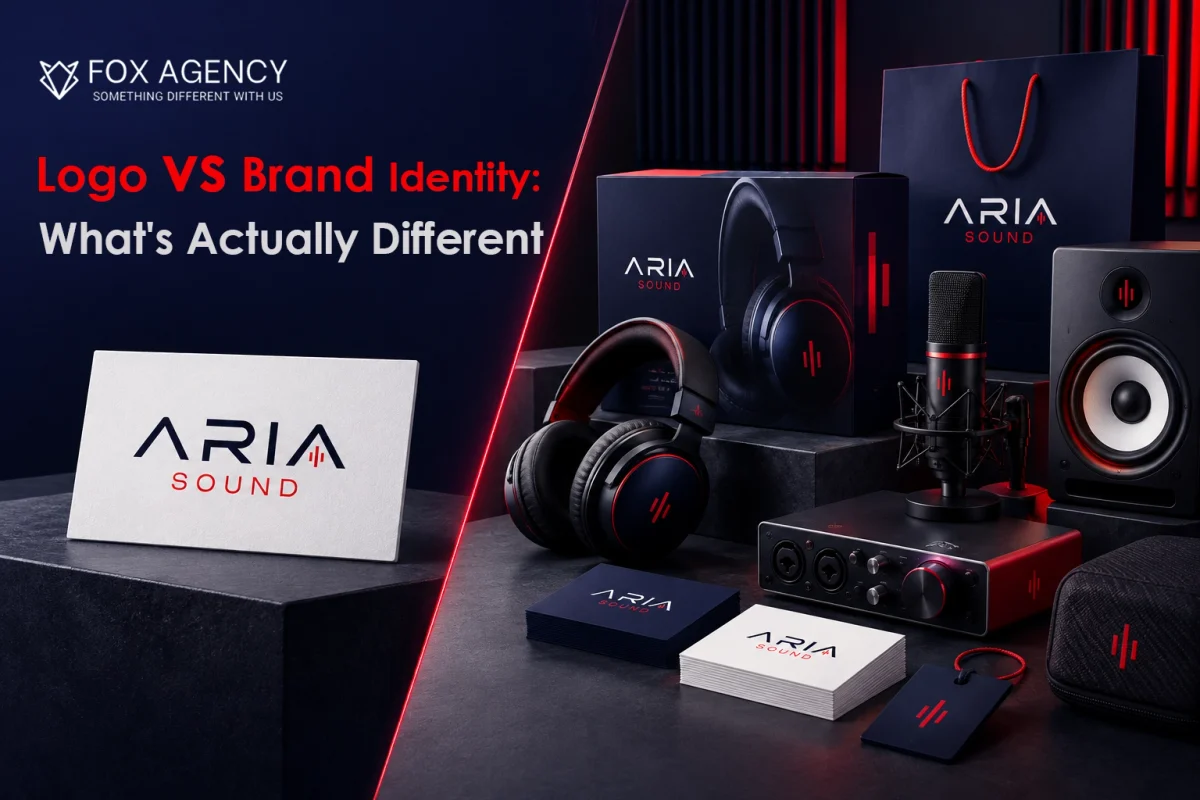
The Visual Layer
This is the part people usually picture: your logo, but also your colour palette, fonts, photography style and the look of your menu or packaging. A strong visual identity means someone could see one photo from your business, with no logo in sight, and still recognise it as yours, because the colours, lighting and mood feel familiar. Businesses that skip this layer often end up with a polished logo on top of a website, an Instagram grid and product photos that look like they belong to three different companies.
The Voice and Message Layer
This is the part almost nobody thinks about until it becomes a problem. How do you actually sound? Formal or warm? Does your website read the way you’d explain things in conversation, or like it was translated word for word and never adjusted for how people here talk? Many newcomer-owned businesses lose customers right here. The product isn’t worse, but the words don’t sound like a real person talking to a real customer, and visitors sense that even if they can’t say why a site feels “off.”
The Trust Layer
This layer matters most if you’re new to Toronto and competing with businesses that have been here for years. Trust signals include consistent information across every platform (AI tools now cross-check this too, see how Toronto businesses get recommended by ChatGPT), real photos instead of stock images, reviews that sound genuine, and a clear, simple answer to “why should I choose you?” A business that has been open six months can out-trust one that has been open ten years, but only if every piece of its identity pulls in the same direction.
Why This Costs New Toronto Businesses the Most
If you’ve been in business for a decade, small inconsistencies barely matter because customers already know you. If you opened eighteen months ago, you don’t have that cushion yet. Every mismatched detail gives a hesitant customer a reason to choose the safer, more familiar option.
Picture a bakery on the Danforth with a beautiful logo, a warm Instagram feed and a stiff, corporate website. Each piece is fine on its own. Together they look like three different businesses, and a first-time customer picks the café next door that feels familiar.

This shows up in specific, fixable ways:
- Your Instagram feels playful and casual, but your website reads stiff and corporate.
- Your logo looks premium, but your product photos are dim, cluttered phone snapshots.
- Your business name is spelled slightly differently on your Google Business Profile than on your storefront sign.
- Your website describes your business the way you’d explain it to family back home, not the way a Toronto customer searches for it.
None of these are logo problems, and no logo, however well designed, can fix them. If you’re also unsure whether your site is pulling its weight, our complete guide to building a business website shows where design, SEO and branding need to line up so none of them undo the others.
5 Signs Your Logo Alone Isn’t Working for You
If any of these sound familiar, the logo isn’t what needs attention. The identity system around it does:
- People ask what your business actually does, even after seeing your sign or your page.
- Your reviews are positive, but sparse and inconsistent in what they praise.
- You feel like you’re starting from zero every time you post on a new platform.
- Your website and your in-person experience feel like two different businesses.
- A competitor with a weaker product gets more calls than you.
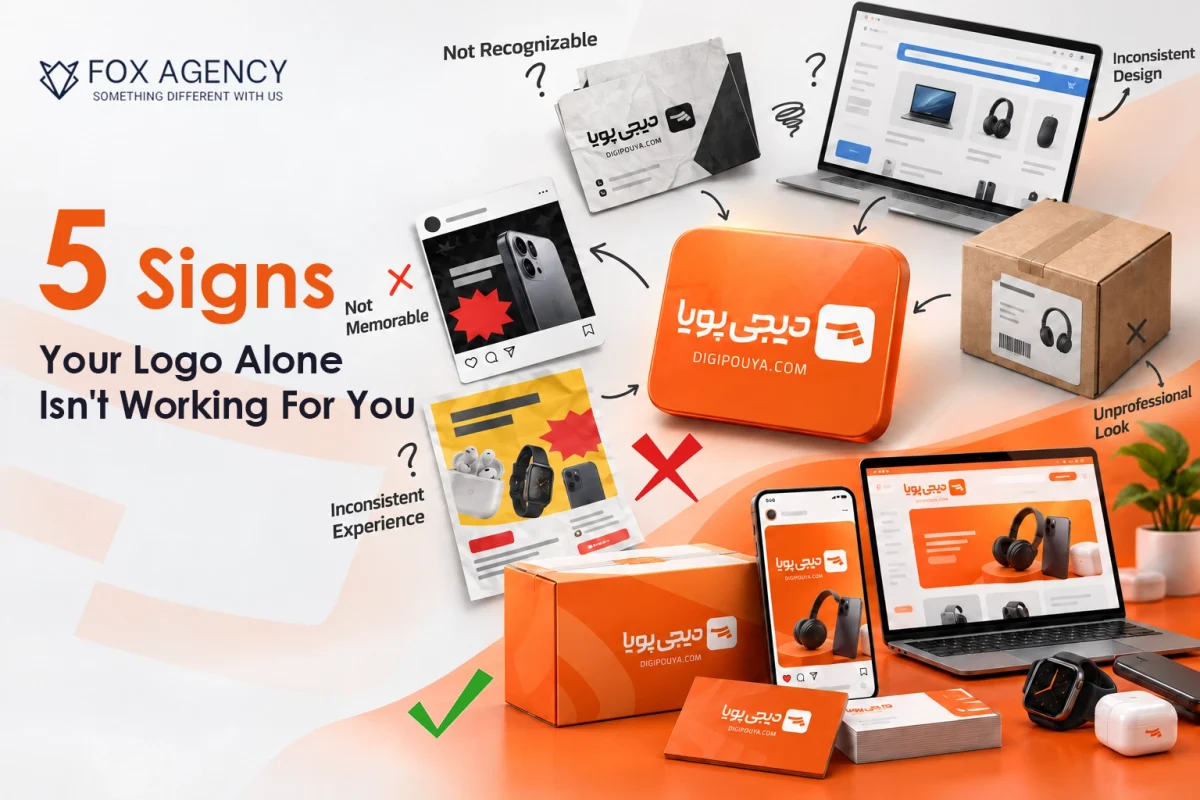
Any one of these is fixable in a weekend. Two or three at once usually means the whole identity system needs attention, not just one piece of it.
What Brand Identity Looks Like in Practice
Picture a business that sells a genuinely premium product, like caviar, handmade goods or specialty imported food. The logo alone won’t say “premium.” A photography style that feels elevated, packaging language that matches the price, a fast and considered website, and product descriptions written by someone who understands the product will. We saw this on the TAK Kaviar website redesign, where a premium caviar brand had to feel consistent for customers in Dubai, London and Paris.
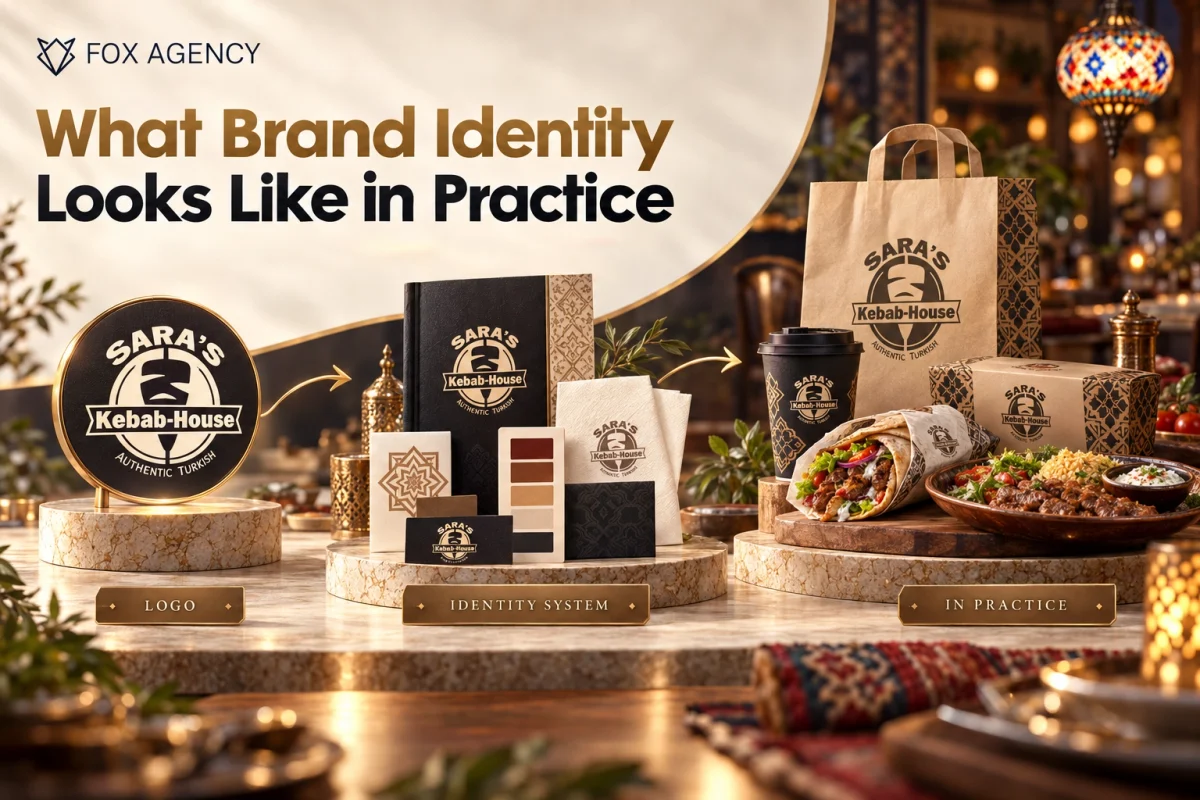
The same logic applies to fashion. For Marosè Couture’s brand identity and website, visual language and tone of voice mattered as much as the logo mark itself.
The logo gets people to the door. Everything else decides whether they come in.
How Much Does Brand Identity Cost?
A standalone logo project in Toronto typically runs from $[X] to $[Y] CAD. A full brand identity, with a visual system, tone of voice and templates, usually starts around $[Z] CAD, because it solves a bigger problem: how every customer experiences your business before they ever speak to you.
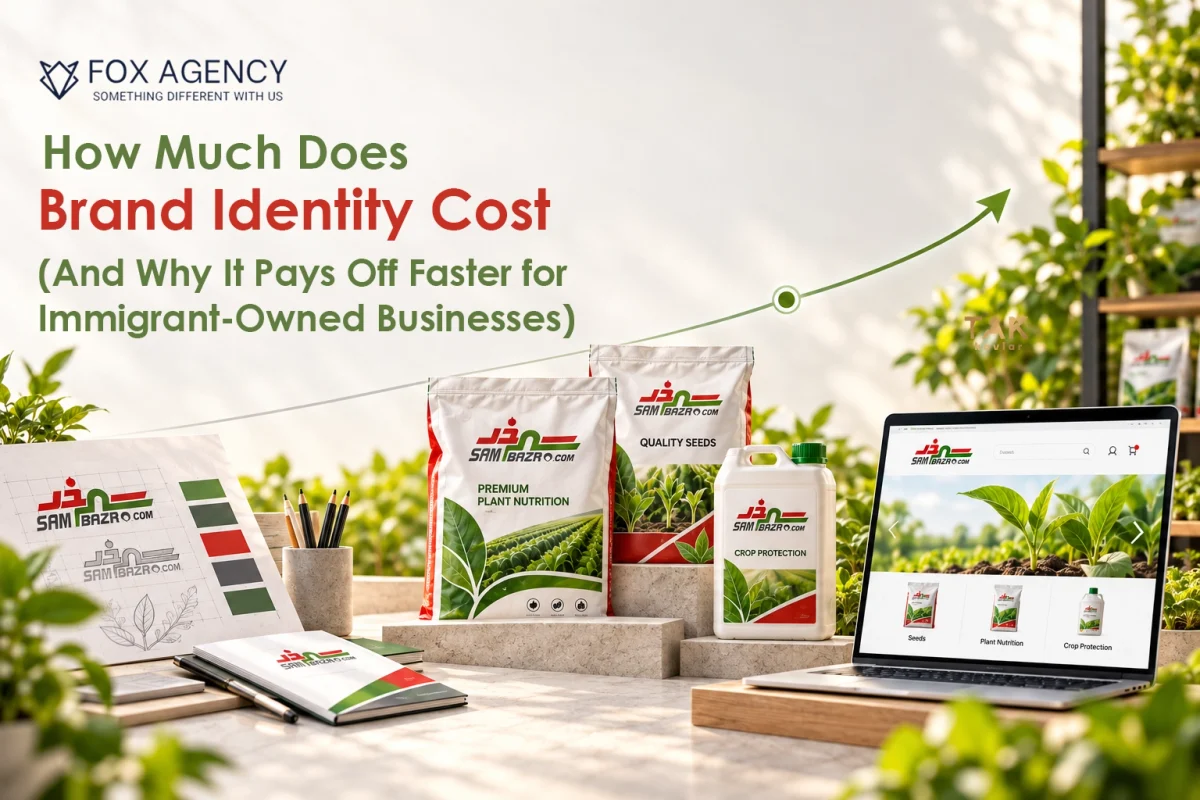
Newcomer-owned businesses often see the return sooner. You don’t have years of word of mouth to lean on, so your brand identity does the trust-building work that time would otherwise do for you.
If budget is tight, the federal Business Benefits Finder lists government programs matched to your business. Eligibility varies, so check each program’s rules before you plan around it. And if you’d rather have a professional walk through your current identity with you, our brand strategy services start with exactly that kind of audit before any design decision is made.
A Simple Starting Point If You Can’t Do It All at Once
You don’t need a six-figure rebrand to start. When we begin a project, the first thing we check isn’t the logo. It’s whether the Instagram page, the website and the sign look like the same business. You can run that check yourself, then work through these four steps:
- Pick three colours and one or two fonts, and use them everywhere: website, social media, printed materials.
- Write one paragraph that explains in plain language what you do and why you do it differently. Use it as your About section everywhere, word for word.
- Replace your worst five photos (the blurry, dim or stock ones) with real photos of your space, product or team.
- Read your website out loud. If it doesn’t sound like something you’d say to a customer standing in front of you, rewrite it until it does.

Each step takes a few hours, not an agency retainer. Do all four and you’ll have closed most of the gap between how your business really is and how it comes across online.
The Bottom Line: Your Logo Is the Start, Not the System
A logo helps people recognise you. Brand identity helps them trust you. If your logo looks good but customers still hesitate, fix the system around it: three colours, one clear About paragraph, real photos and a voice that sounds like you.
Want a second pair of eyes on where your brand stands? Get in touch, or see how we’ve done it in our website design case studies. Once your identity is consistent, the next step is showing up where customers now search, including ChatGPT and AI search.
Frequently Asked Questions
Is a logo part of a brand identity?
Yes. A logo is one element of a brand identity, alongside colours, typography, photography style, tone of voice and messaging. It is the most visible piece, but the identity is the system that keeps all of those pieces consistent.
Do I need to redo my logo to fix my brand identity?
Usually not. A decent logo can stay exactly as it is while everything around it (photos, tone, messaging, consistency) gets rebuilt. Redo the logo only if it is actively working against the identity you are building.
How do I know if it’s time for a full rebrand instead of small fixes?
If your target customer, your pricing or your core offer has changed since you launched, small fixes won’t be enough. That is a sign the whole identity needs to be rebuilt around who you are now, not who you were when you started.
Can I build brand identity myself without hiring an agency?
The starting steps above (colours, one clear paragraph, real photos, an honest tone) you can absolutely do yourself. Help usually pays off when you need that system to stay consistent as you add platforms and customer touchpoints.
Is brand identity more important than SEO for a new business?
They work together, not against each other. SEO gets someone to click on your business. Brand identity convinces them, once they land, that you are the right choice. It is often the difference between a click and an actual customer.